
The Importance of Preparing Your Soil Correctly
Soil preparation is a critical step in creating any beautiful outdoor space. It impacts plant health, drainage, and long-term maintenance. Proper soil preparation can make or break your landscaping success. Whether you are working on a small garden plot or a large area, understanding the basics of soil preparation will help ensure that plants thrive and landscapes last.
The Benefits of Proper Soil Preparation
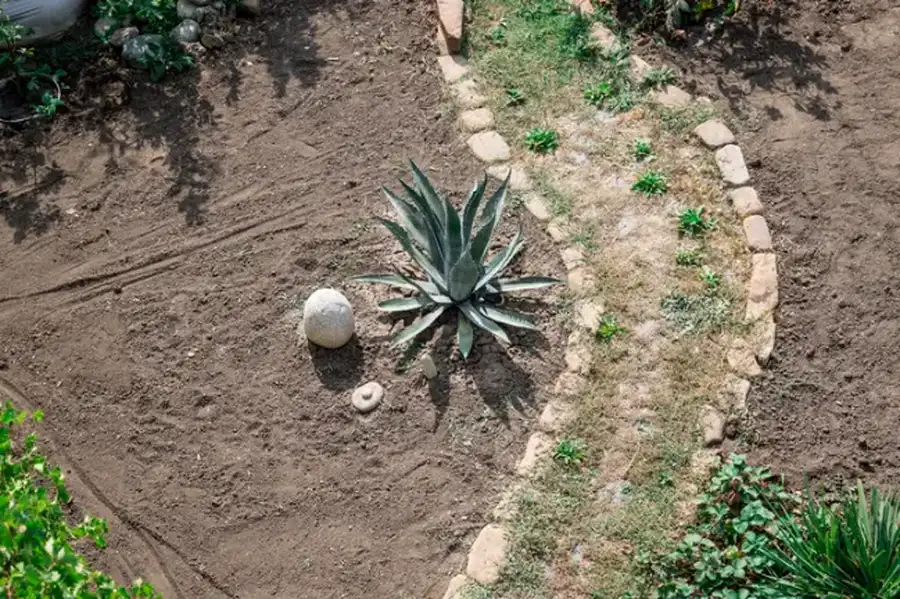
Proper soil preparation offers numerous advantages for gardeners and landscapers. Healthy soil promotes robust root systems, which in turn support stronger plants. Well-prepared soil improves water retention and drainage, reducing the risk of plant diseases. Additionally, it ensures nutrients are evenly distributed, helping plants grow uniformly. Good preparation also minimizes ongoing maintenance, saving time and effort in the long run.
Challenges Faced During Landscaping Projects
Many face common challenges when embarking on landscaping projects. Poor soil quality can lead to stunted growth or plant failure. Inadequate drainage may cause waterlogging and root rot. Also, compacted soils hinder roots from spreading effectively, impacting plant health. Identifying these issues early is essential to overcome them and ensure a successful landscape installation.
Landscape Installation: Key Steps Involved
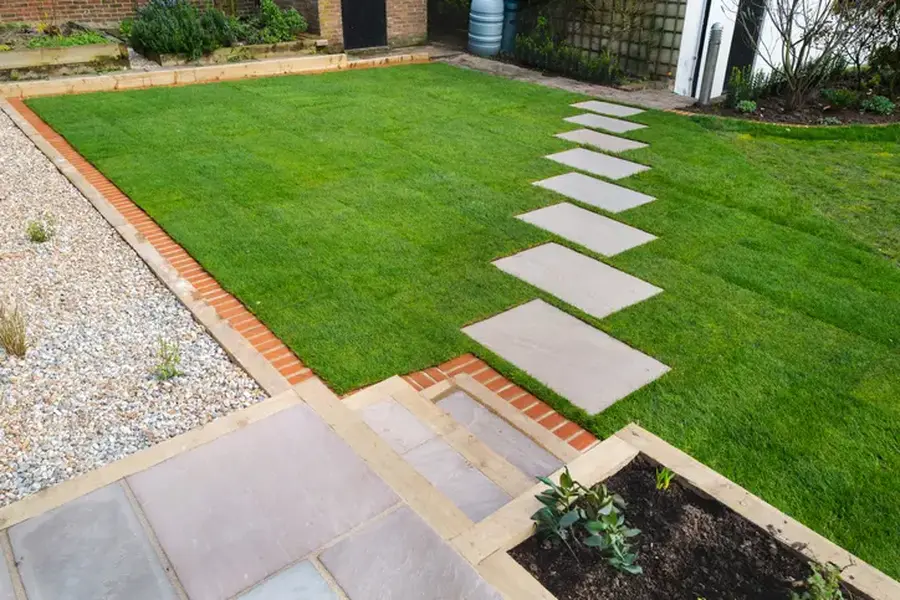
Successful landscape installation involves several steps that ensure optimal soil conditions. First, assess the existing soil’s condition by testing its pH level and nutrient content. Next, clear debris and weeds from the site to provide a clean slate for new plants. After this, amend the soil with organic matter like compost to improve texture and fertility. Finally, till the soil to break up compaction and enhance aeration, setting the stage for healthy plant growth.
Best Practices for Effective Soil Preparation
Adhering to best practices ensures effective soil preparation. These include:
- Testing soil regularly to monitor changes in pH and nutrient levels
- Incorporating organic materials to boost soil structure
- Ensuring proper drainage by contouring the land as needed
- Avoiding over-tilling to prevent soil erosion
- Using mulch to maintain moisture and regulate temperature
Considering Industry Standards in Landscaping
Industry standards guide how professionals approach landscaping projects. Following these guidelines helps achieve consistent quality in installations. Ensuring compliance with local regulations prevents legal complications down the line. Using sustainable practices not only benefits the environment but also enhances the longevity of your landscape project.
Evaluating Costs Associated With Landscaping Projects
Cost is often a major concern when planning a landscaping project. Several factors influence pricing, including the scope of work, materials used, and local labor rates. Investing in quality materials upfront can save money over time by reducing maintenance costs and extending the landscape’s lifespan. Understanding these elements aids in making informed budgeting decisions.
Final Steps for Successful Landscaping Outcomes
For successful outcomes in your landscaping endeavors, focus on thorough planning and execution. Evaluate the soil’s needs carefully and follow industry best practices for preparation. By doing so, you can create an attractive and thriving outdoor space that stands the test of time.
Your Path to Stunning Landscapes Starts Here
If you want exceptional results in Peoria, AZ, I offer expert guidance tailored to your project’s needs. Contact AZ Curb Appeal Landscape Maintenance at (602) 838-1987 for personalized solutions and expert insights into achieving your landscaping dreams.